

Join Us
MCC has a variety of upcoming events happening on our campuses. View the highlights or explore everything we have to offer.


In the News
Press Releases
-

SRP gifts electric vehicle to college, spurs EV training course
Thursday, April 25, 2024 -

NXP Semiconductors establishes scholarships for students at two Valley community colleges
Thursday, April 18, 2024 -

Mesa Community College DJ Program Takes Center Stage at Mesa Music Festival
Wednesday, April 17, 2024 -

MCC hosts The Future of Fashion
Wednesday, April 10, 2024 -

Mesa Community College hosts John Bul Dau “Finding Hope in Adversity”
Monday, April 1, 2024
Media Coverage
-
CSUF Invites Students From Mesa Community College to Campus
Wednesday, April 24, 2024 -
Residence VIII: A showcase of artists from New Harmony Clay Project featured at USI NHGCA
Monday, April 22, 2024 -
National Humanities Center renews partnership with Lincoln Center for responsible AI research
Monday, April 22, 2024 -
MCC hosts “The Future of Fashion” on April 25; parade in a shopping center on April 20
Monday, April 22, 2024 -
Los 11 magníficos… mexicanos
Monday, April 22, 2024
Social Media
🎓Celebrate student success during the Asian Pacific Islander Convocation on Thursday, May 2, 2024! Join students, their families, and friends for a...

Decorate your grad cap and grab a sweet treat! Bring your grad cap and we'll provide the rest, May 2, 11 a.m.-1 p.m. in the Student Lounge, Southern and...
Things to Do on Campus


The Arts at MCC
Our Dance, Music, Theatre, and Musical Theatre program performances that are held regularly captivate audiences and give performers the experience of a lifetime. Our Arts exhibitions also give visitors insight into the creative works of our students and faculty.
Immerse yourself at the Arts at MCC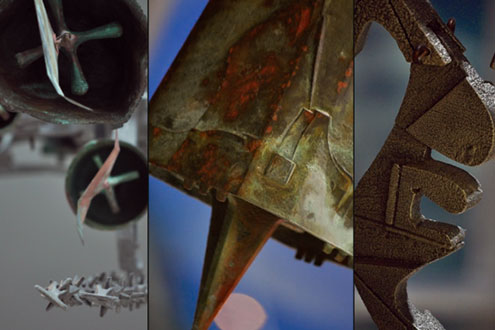
Artwork placed around MCC
MCC has more than 30 pieces of art on display around the Southern and Dobson campus. The beautiful, intriguing pieces are arranged to provide a pleasurable viewing experience of each of the unique artworks. Take a stroll across the campus and discover the delights of pieces created by students, faculty, and celebrated artists.
Explore the Art Walk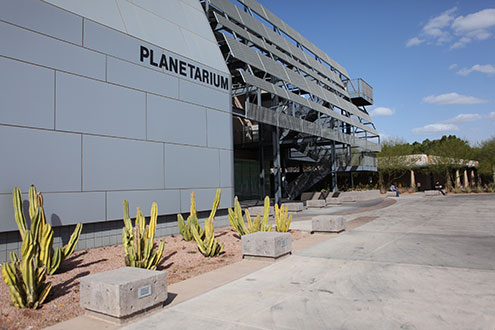
Learn about the stars
With 9 different shows specifically created for our spherical screen, MCC’s Planetarium offers a spectrum of entertainment. Come to our next Astronomy night, hosted every first Friday of the month, to learn more about the stars!
Explore the Planetarium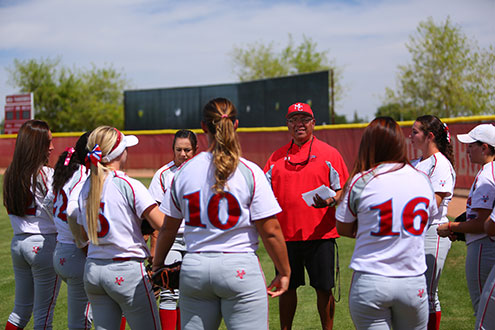
Thunderbird Athletes
MCC has more than 16 teams that compete nationally – winning games, awards, and titles. We even have our own Hall of Fame. Cheer on our talented Thunderbirds at our next game!
Explore MCC Athletics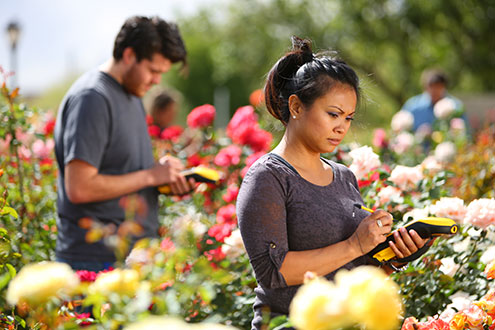
Take time to smell the roses
The Rose Garden at the Southern and Dobson campus was finished in 1997 as part of a collaboration between the Mesa-East Valley Rose Society and MCC. It is the largest rose garden in the southwest with over 9,000 bushes and 40 beds. Listed in AZ Central’s “Ultimate Arizona Bucket List of 25 Things To Do in Mesa”, MCC’s Rose Garden provides a beautiful, fragrant setting for students and the public to enjoy. Take some time to smell the roses by visiting the Rose Garden.
Explore the Rose Garden